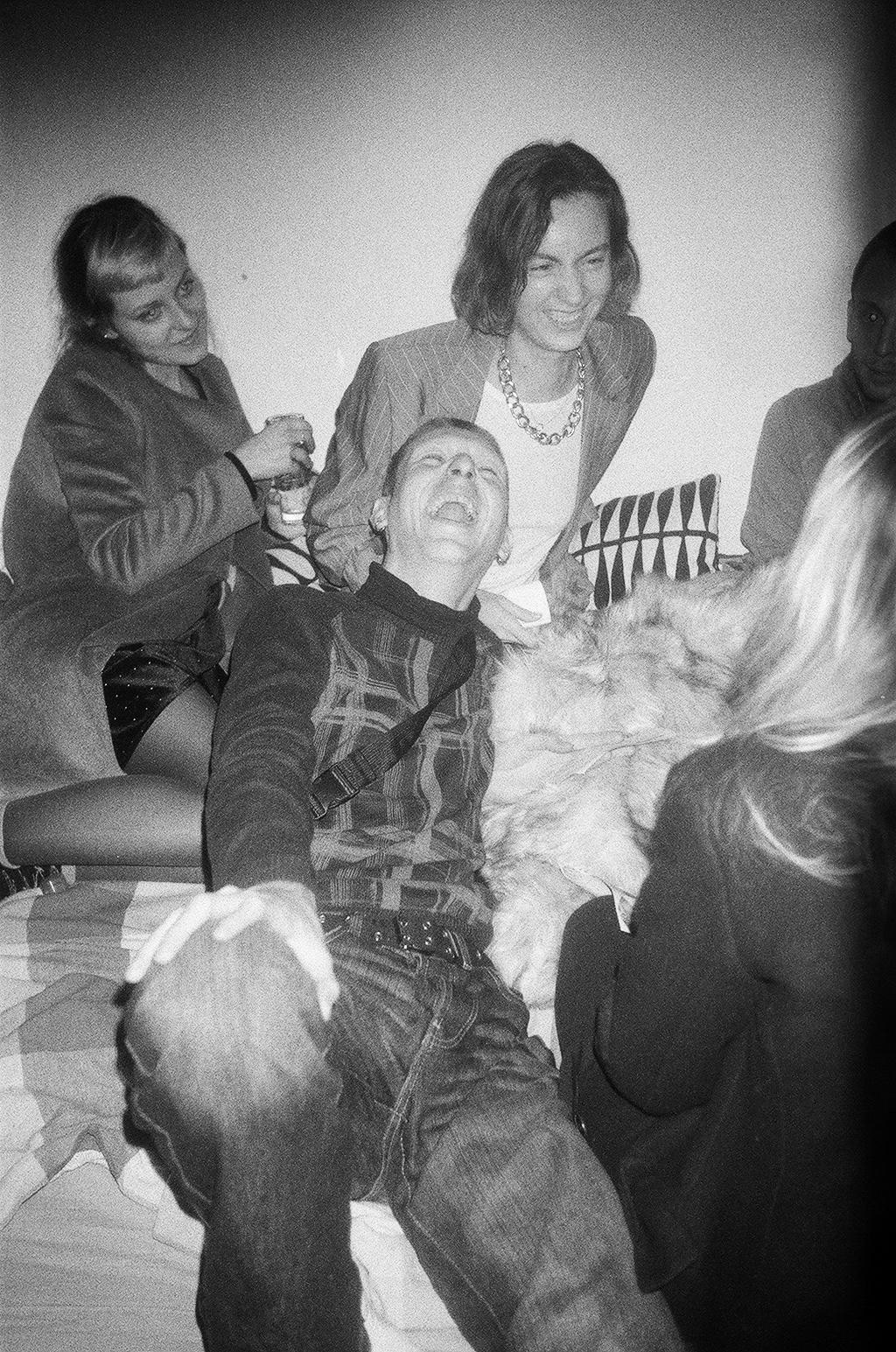
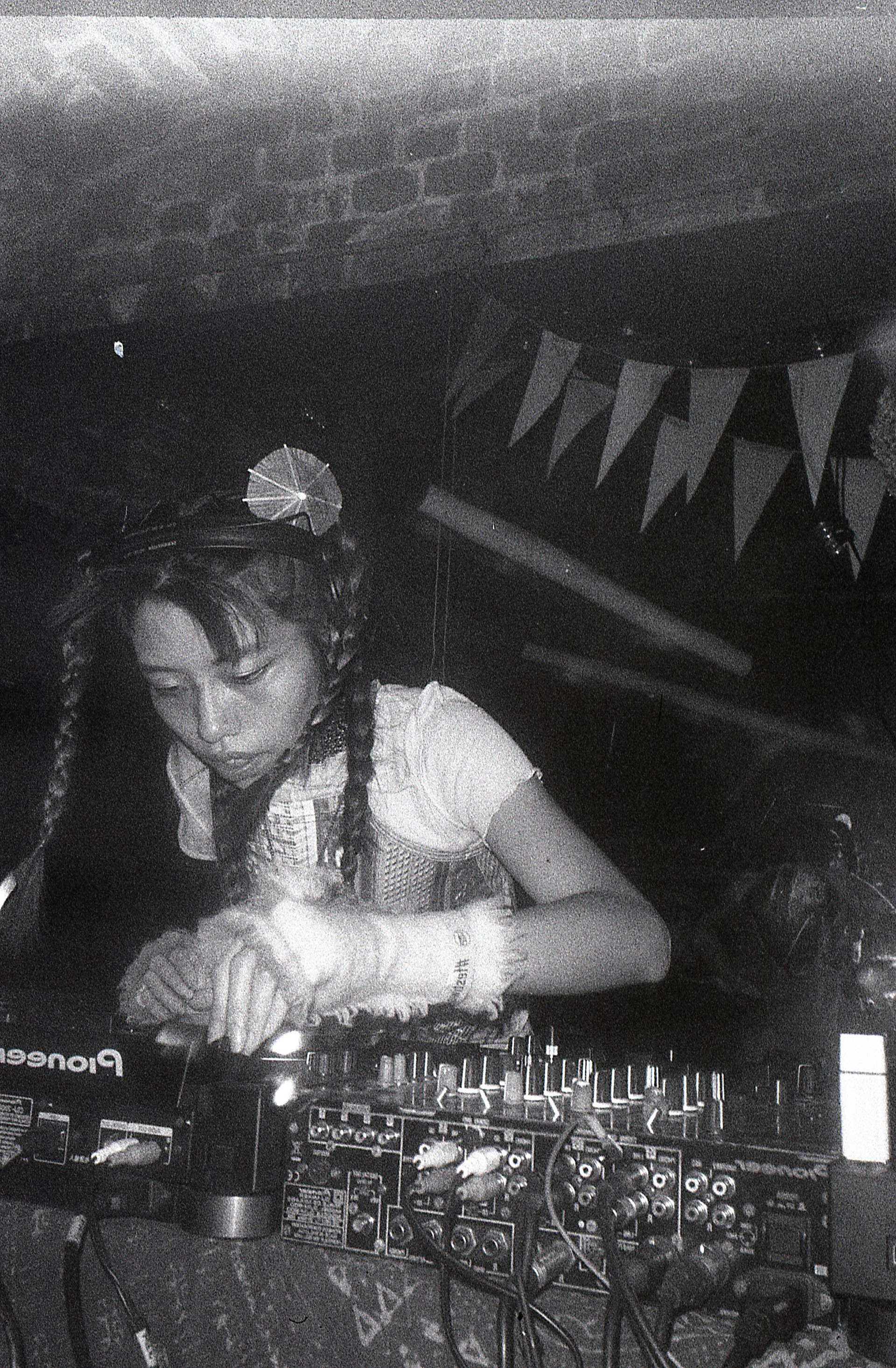
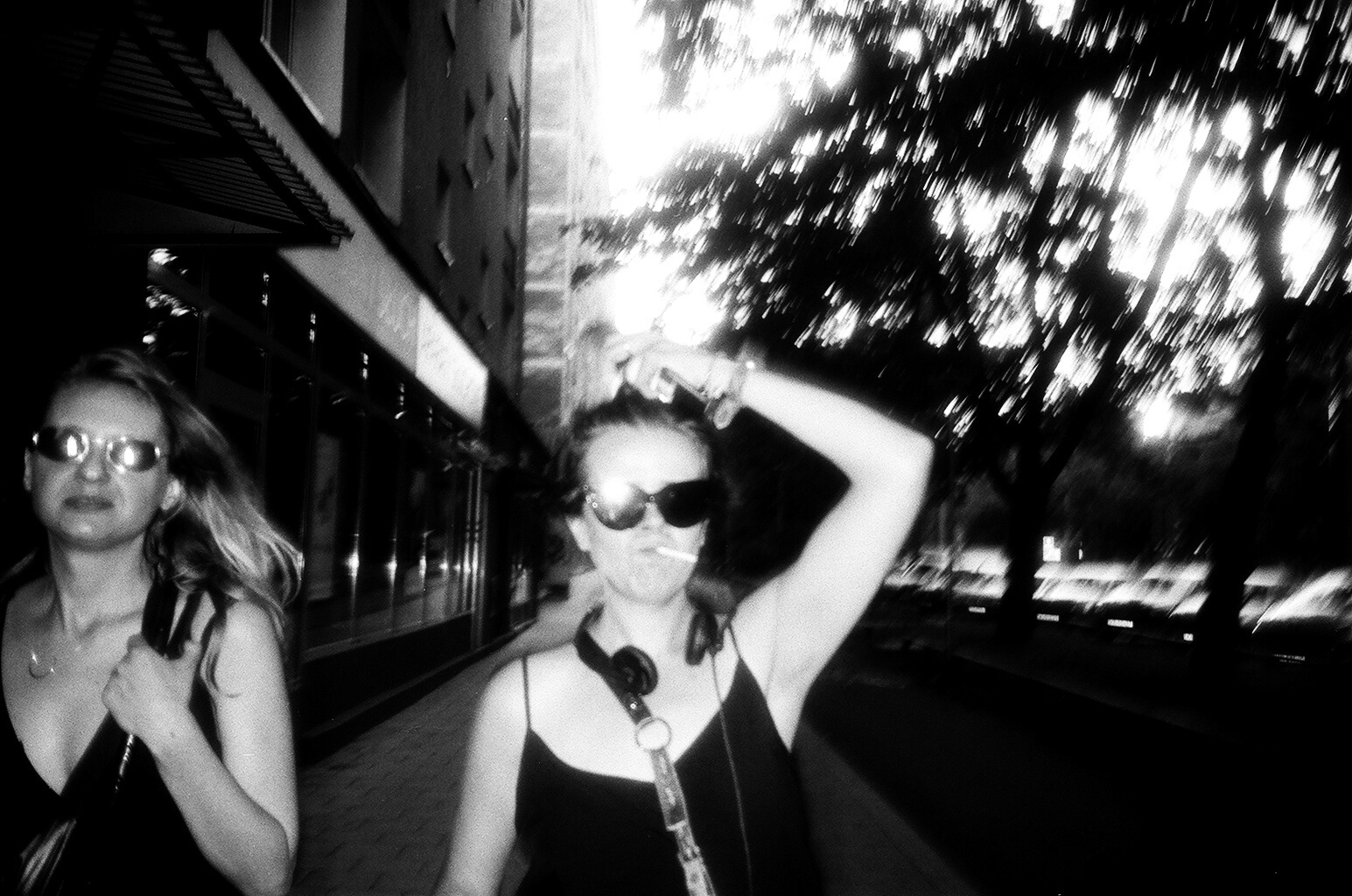
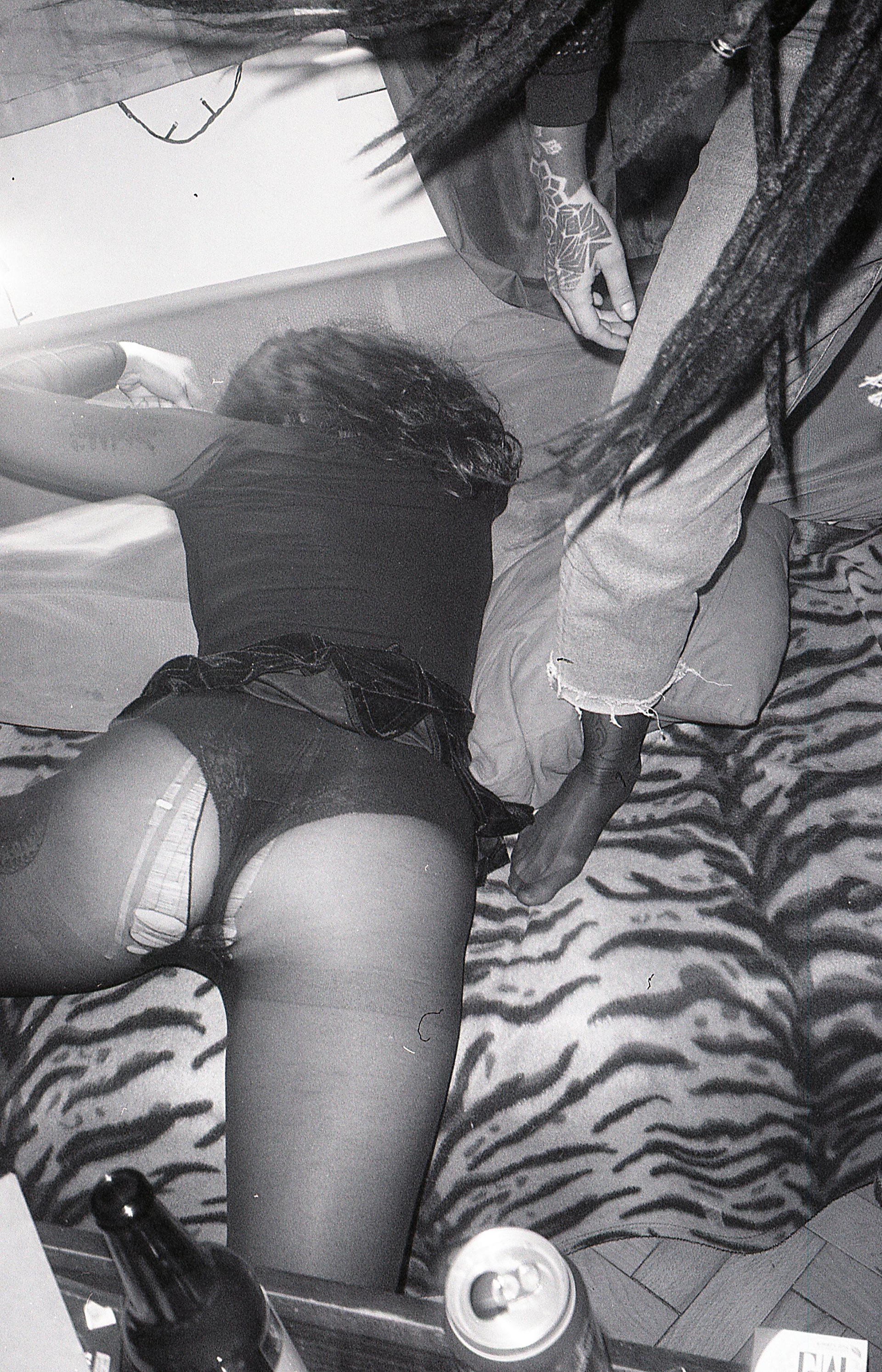
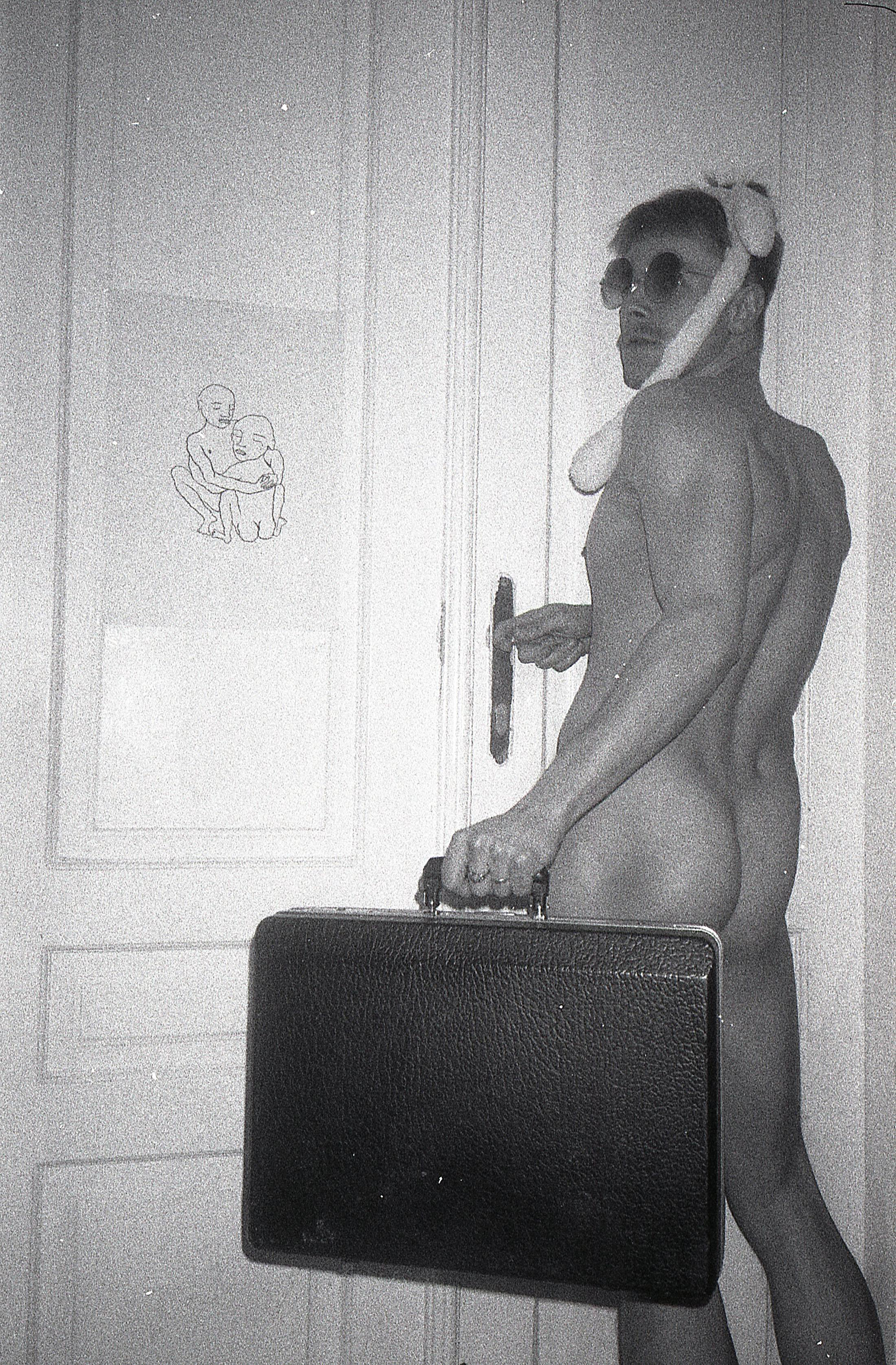
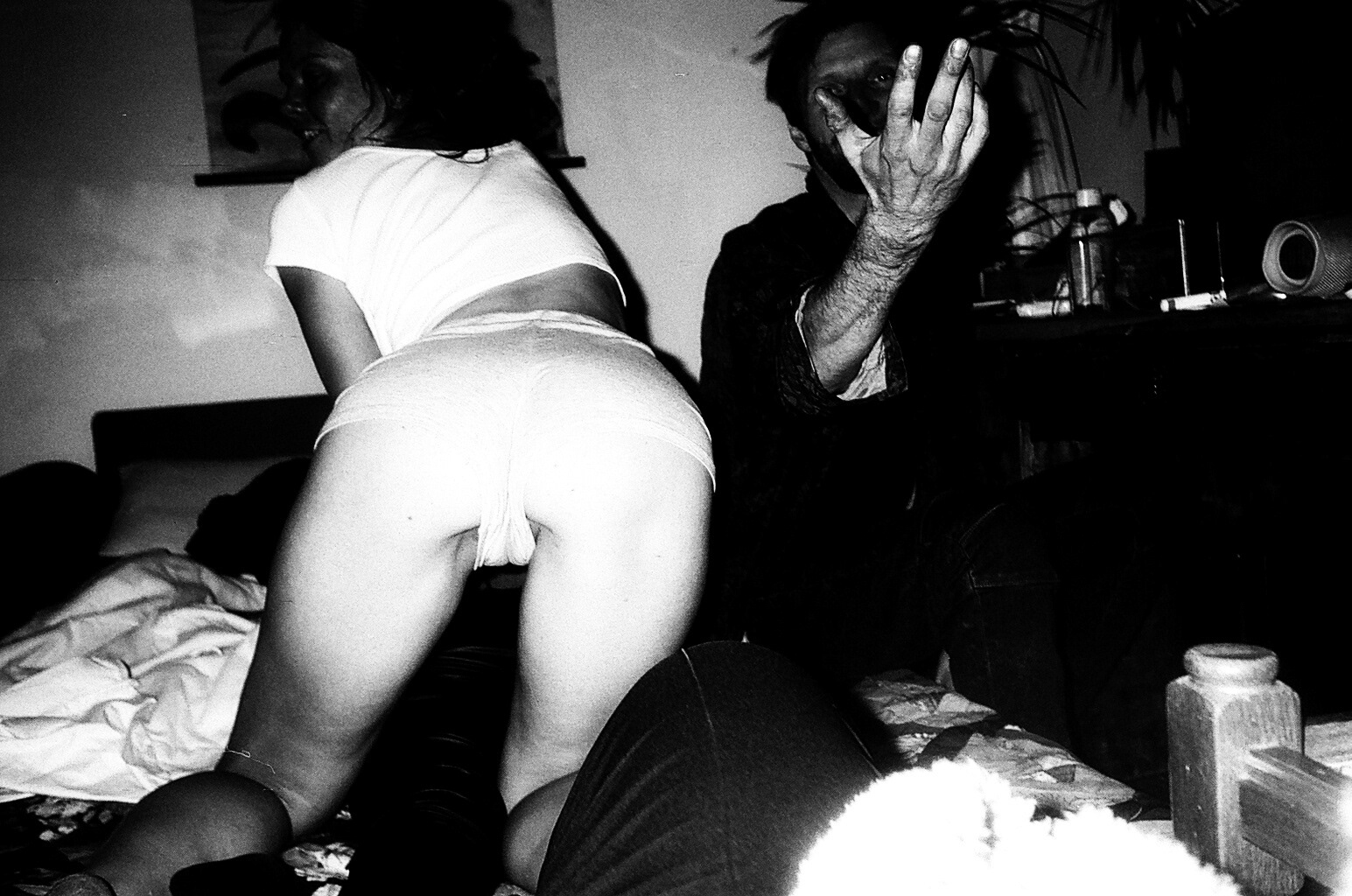
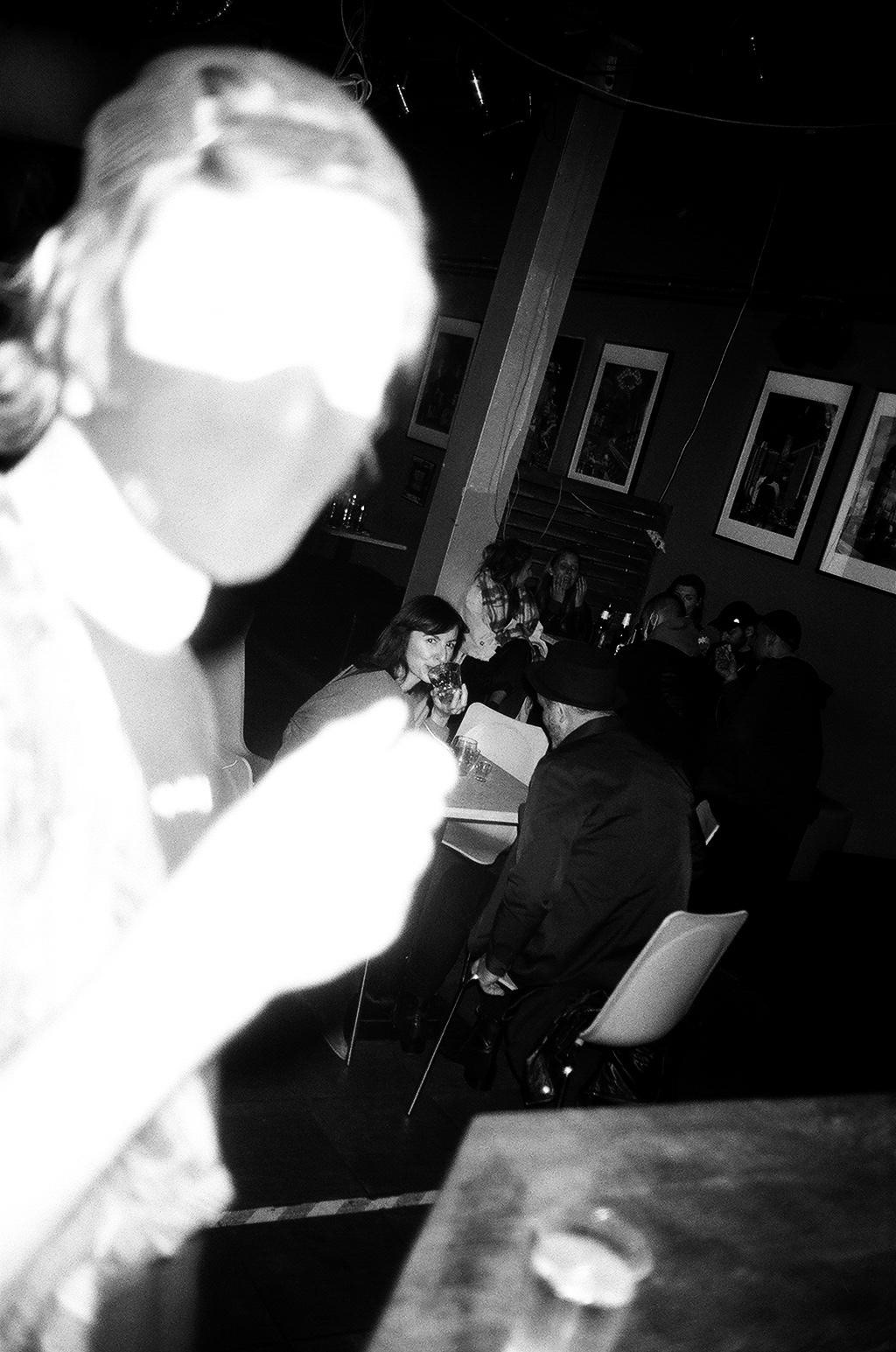
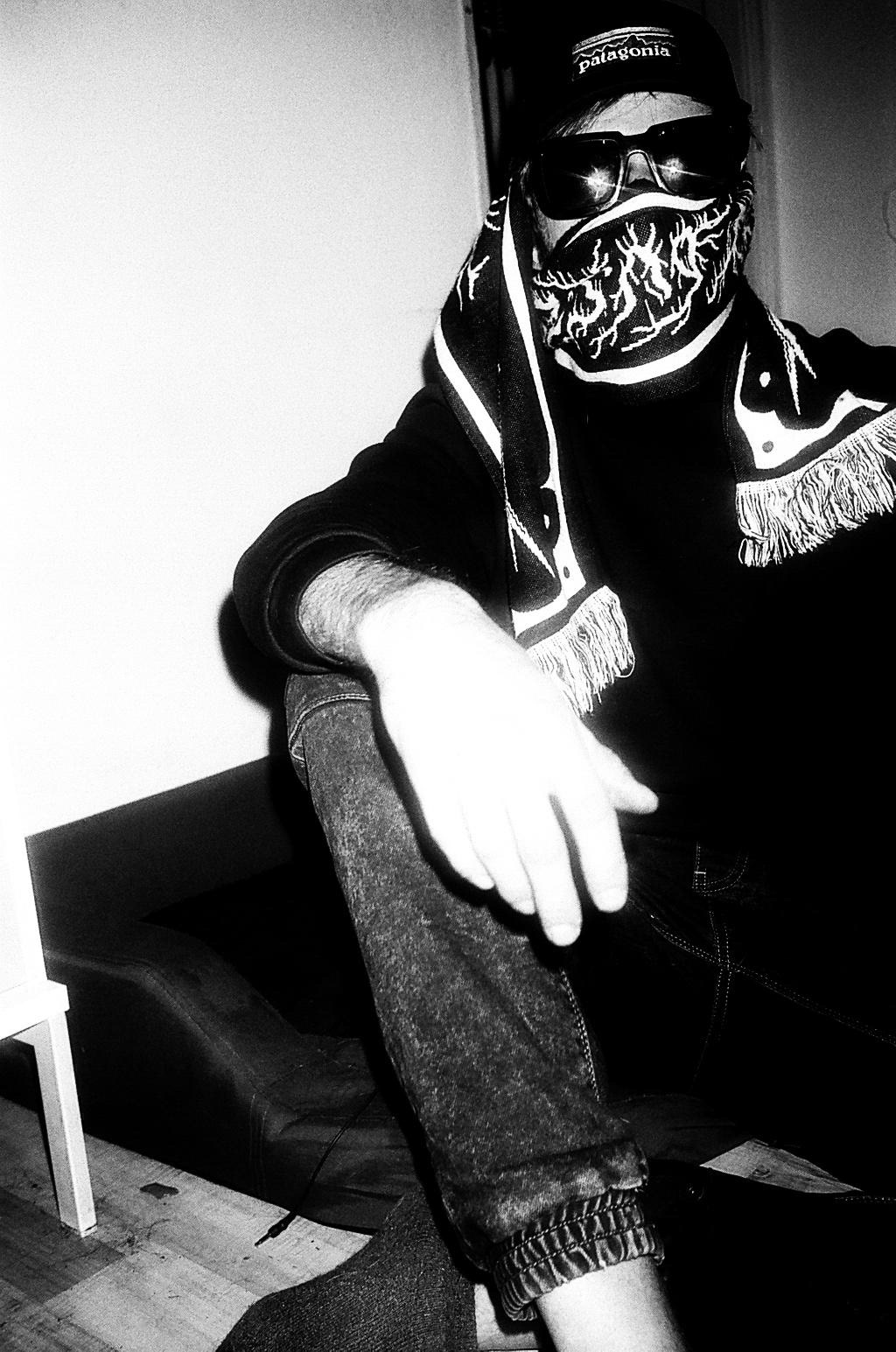
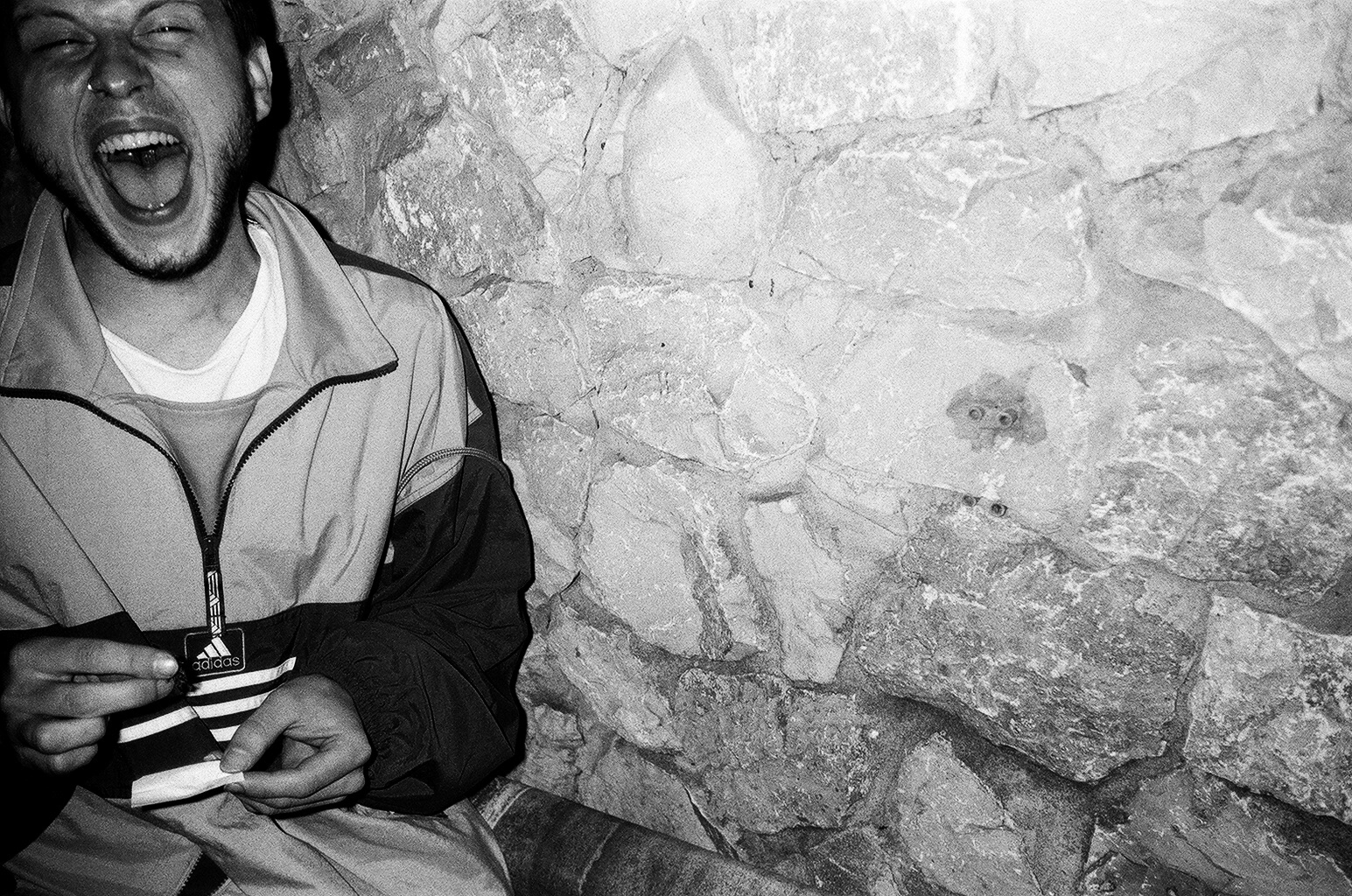
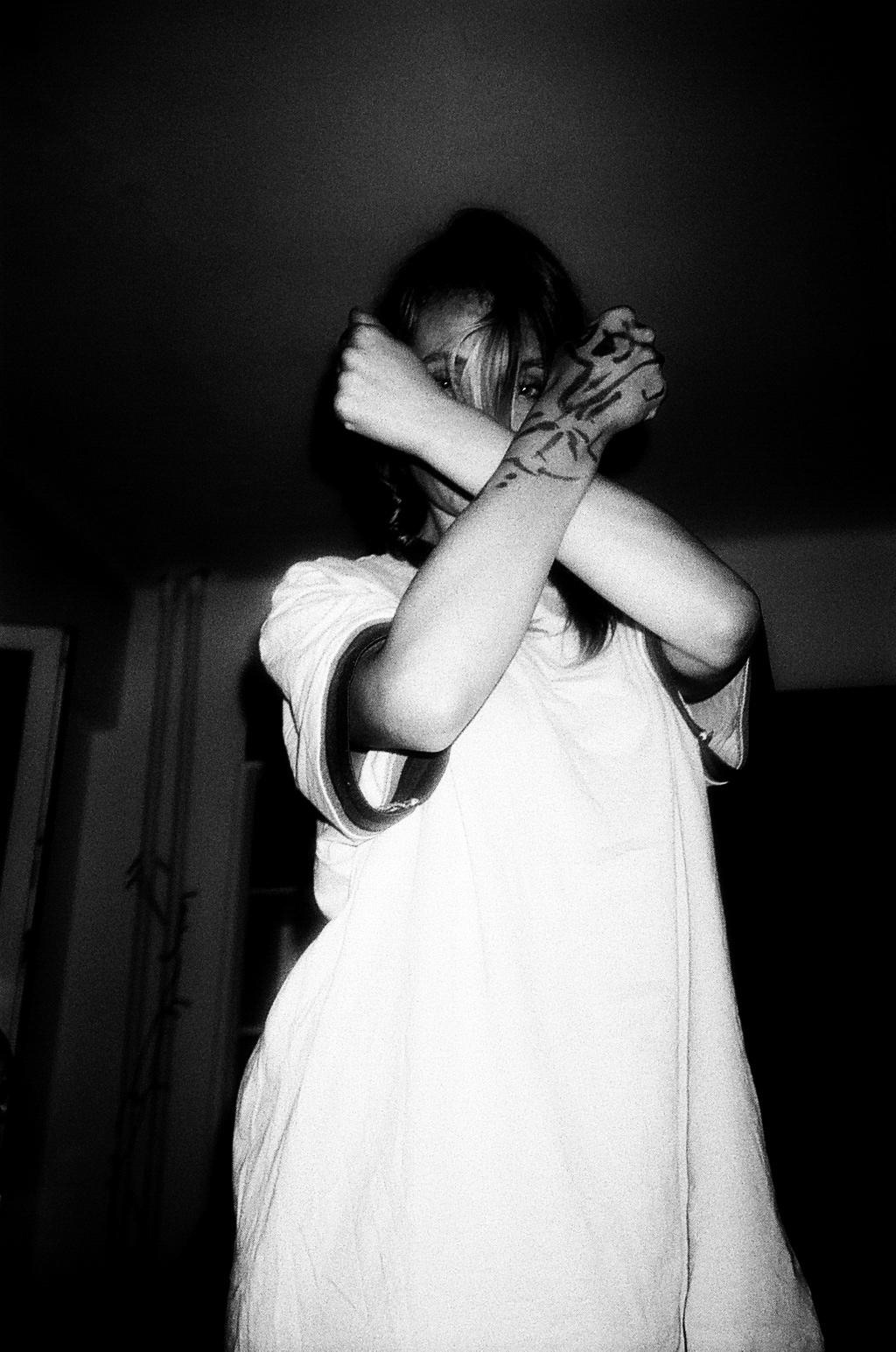
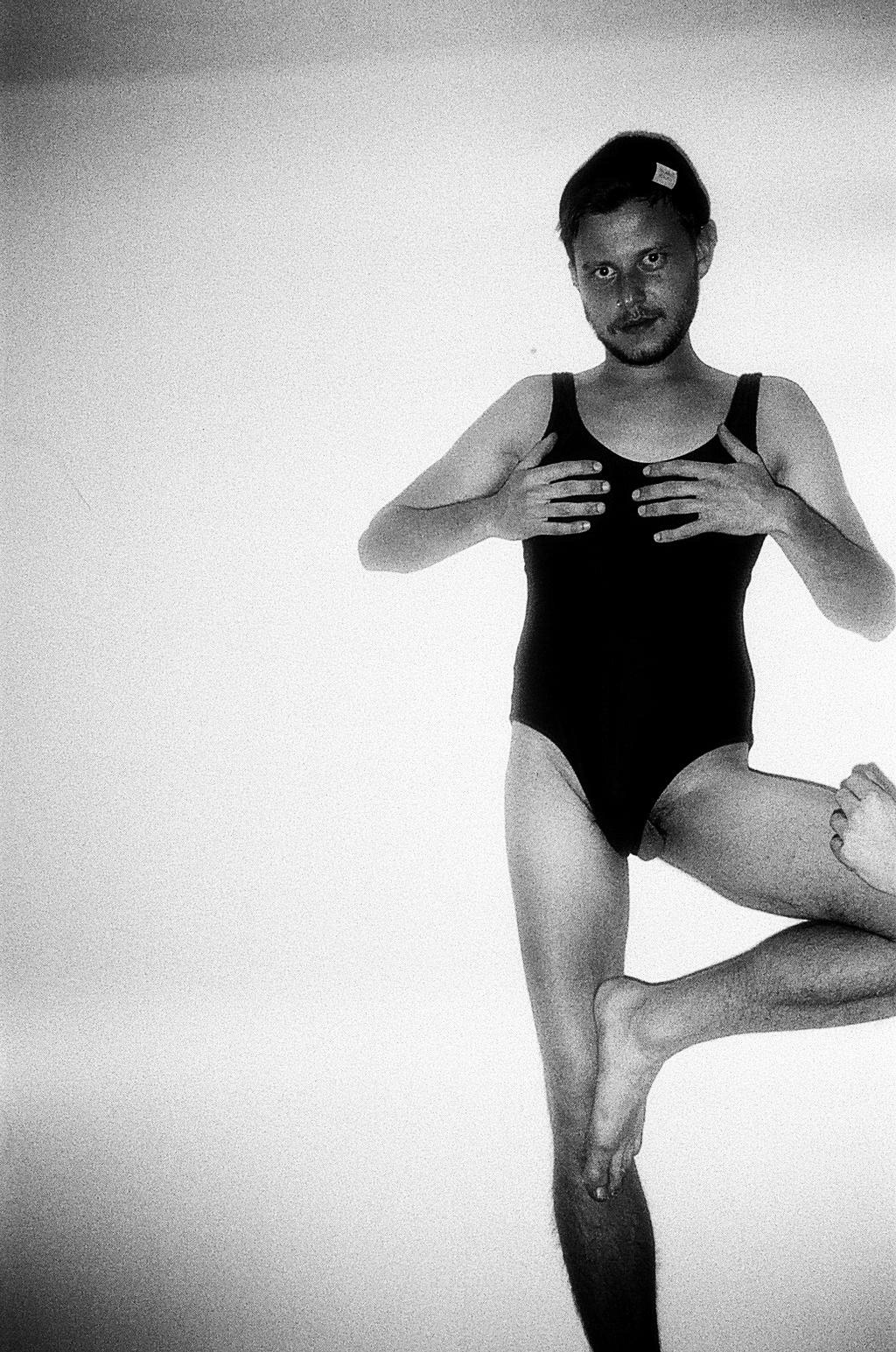
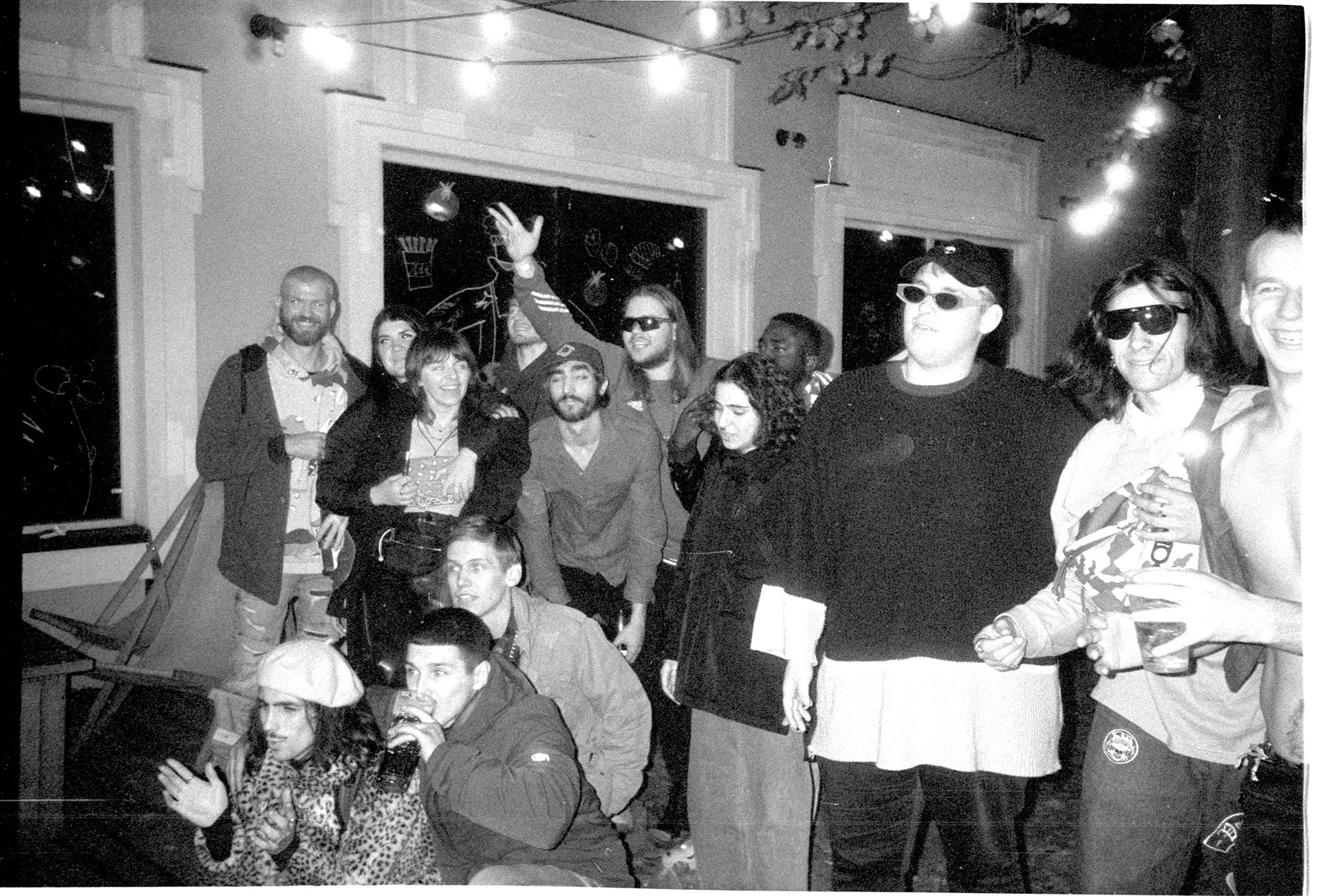
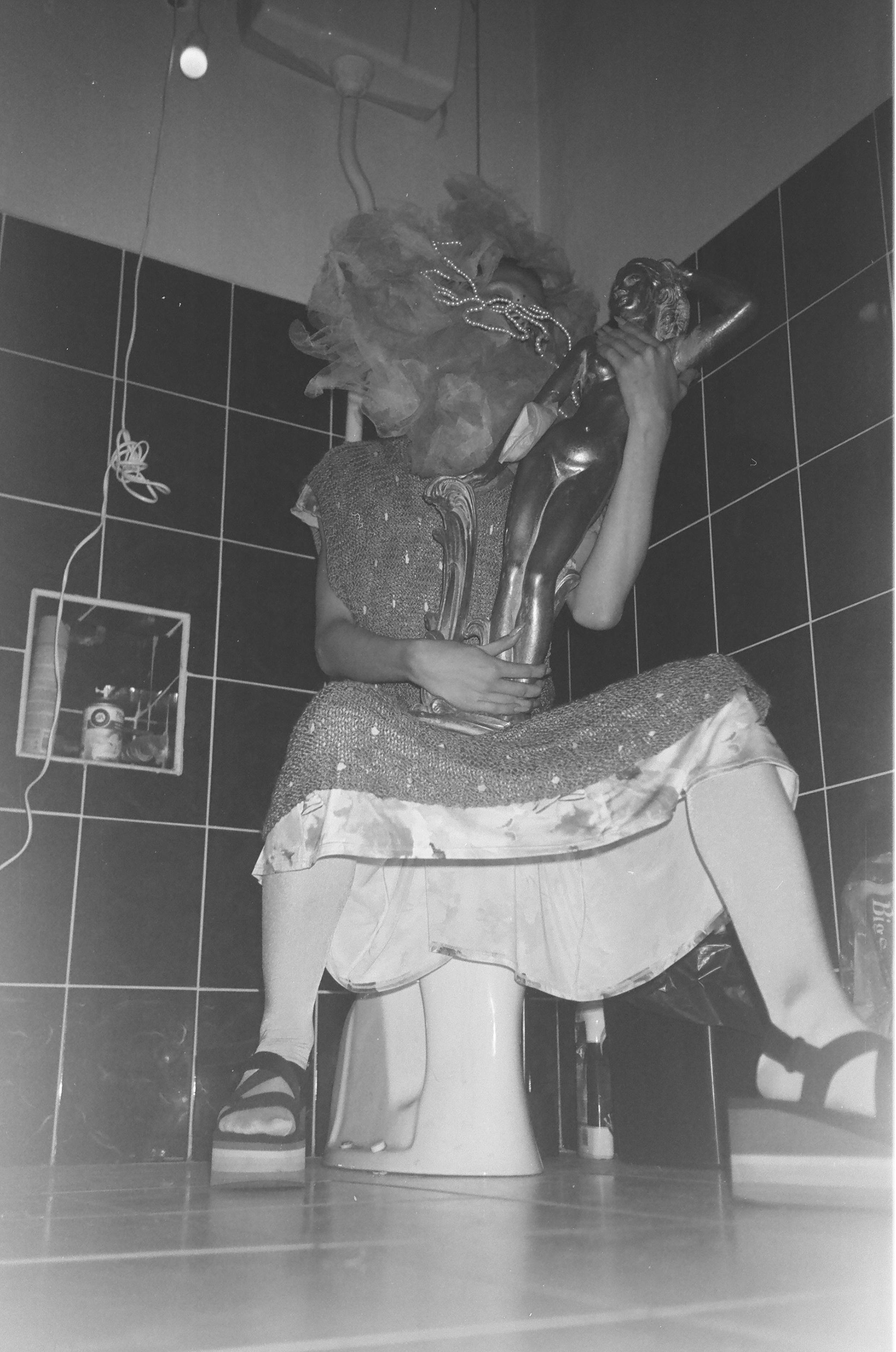
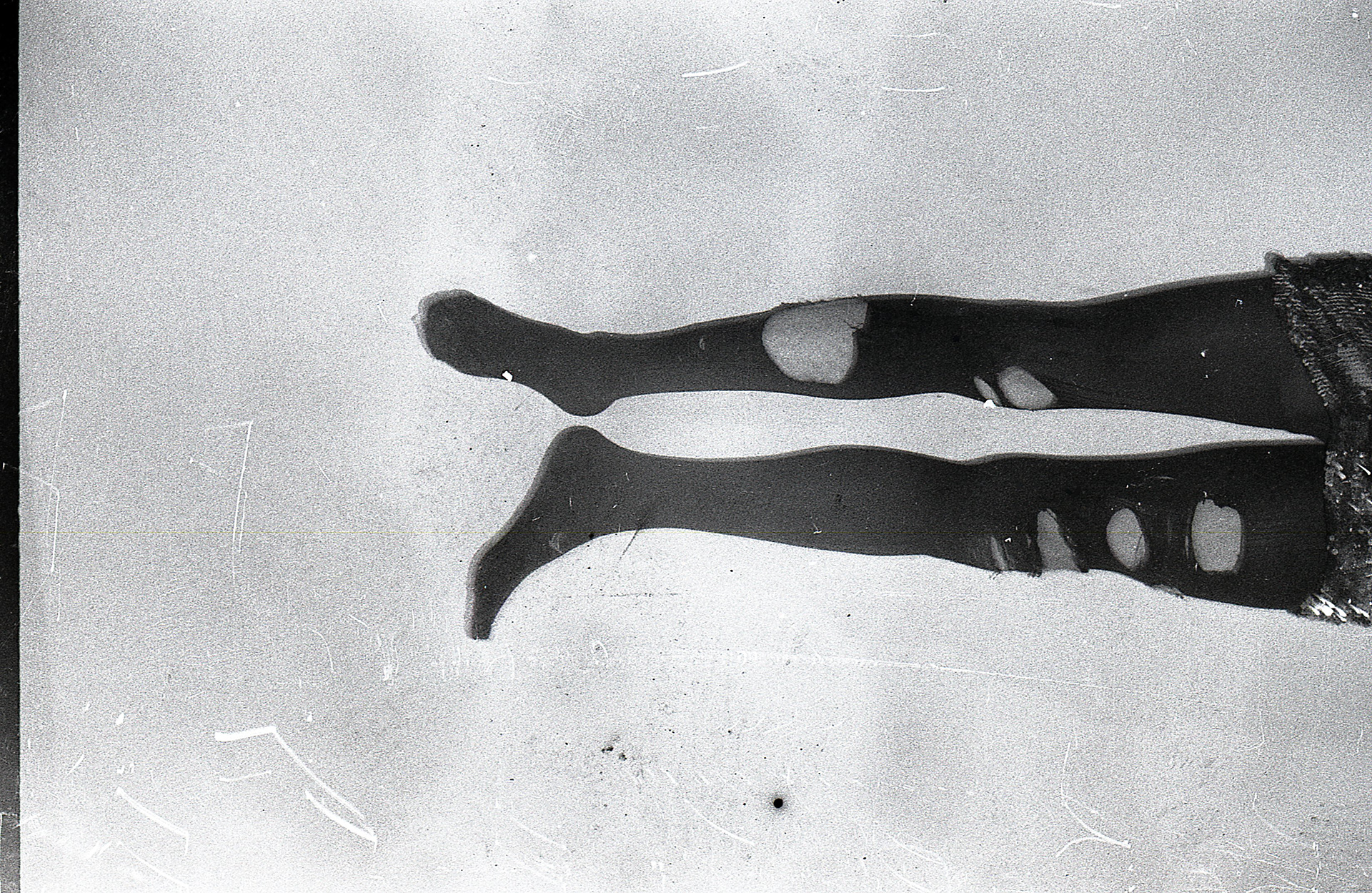
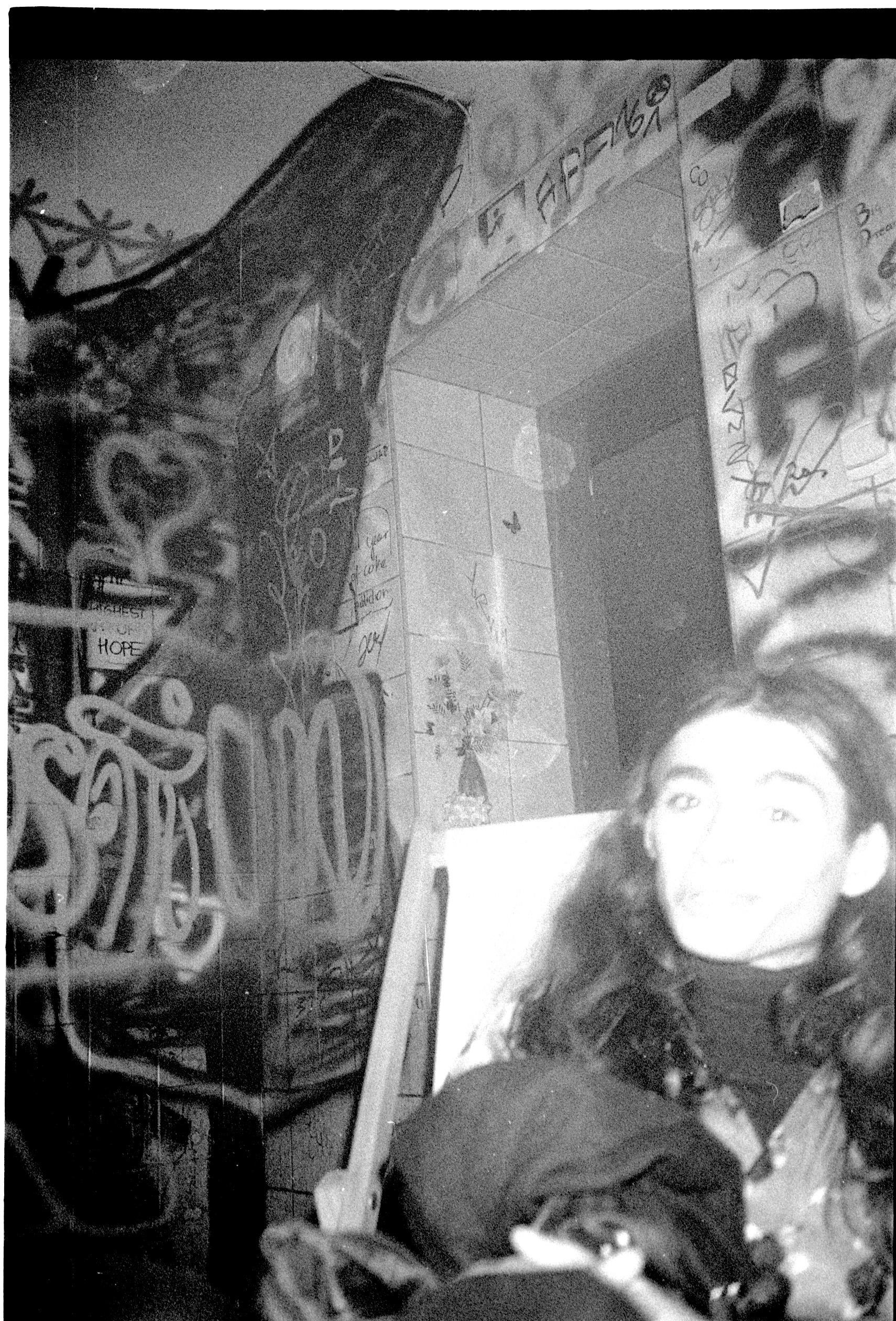
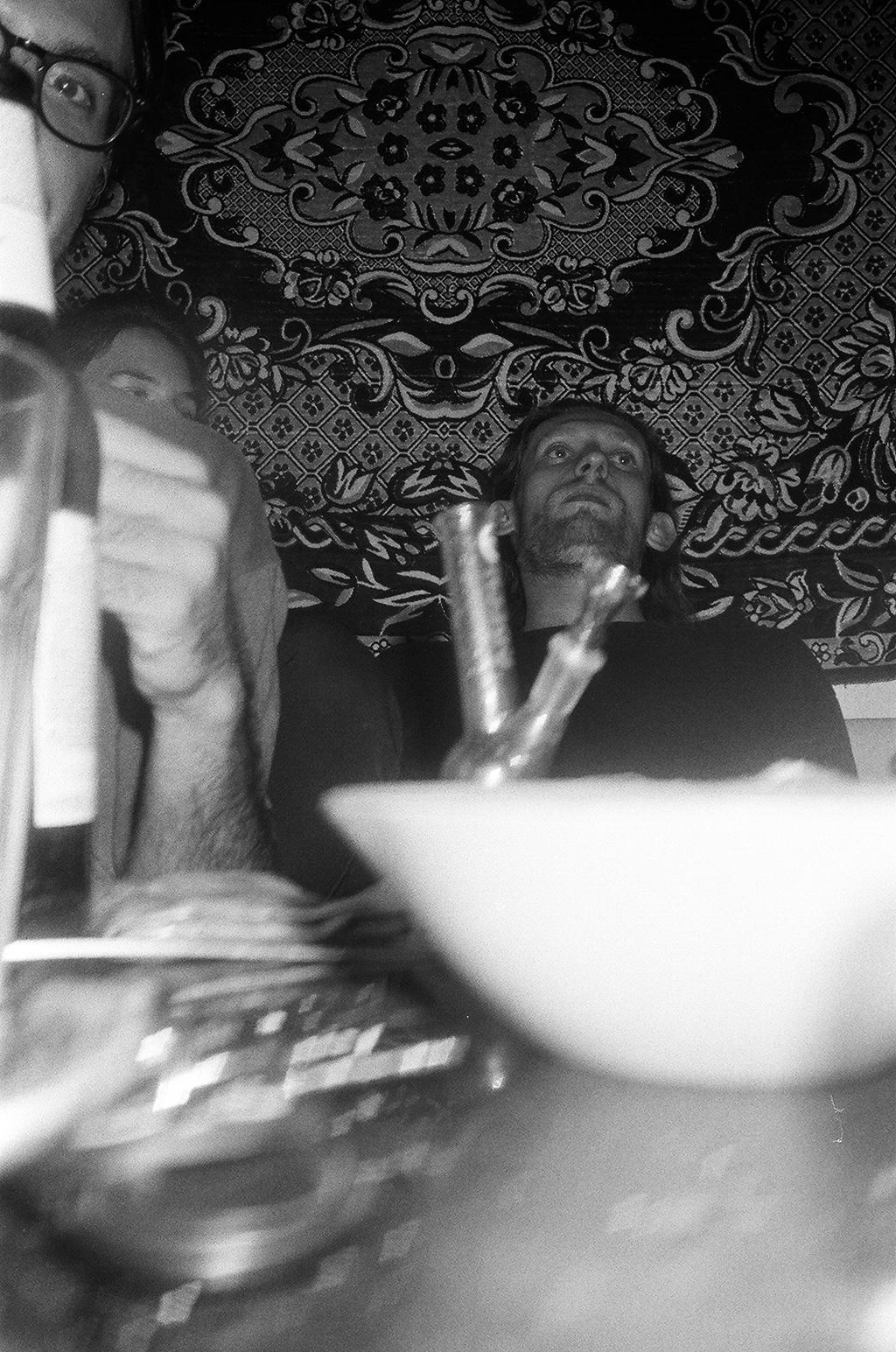
afterparty anthropology, Kraków 2020-2023
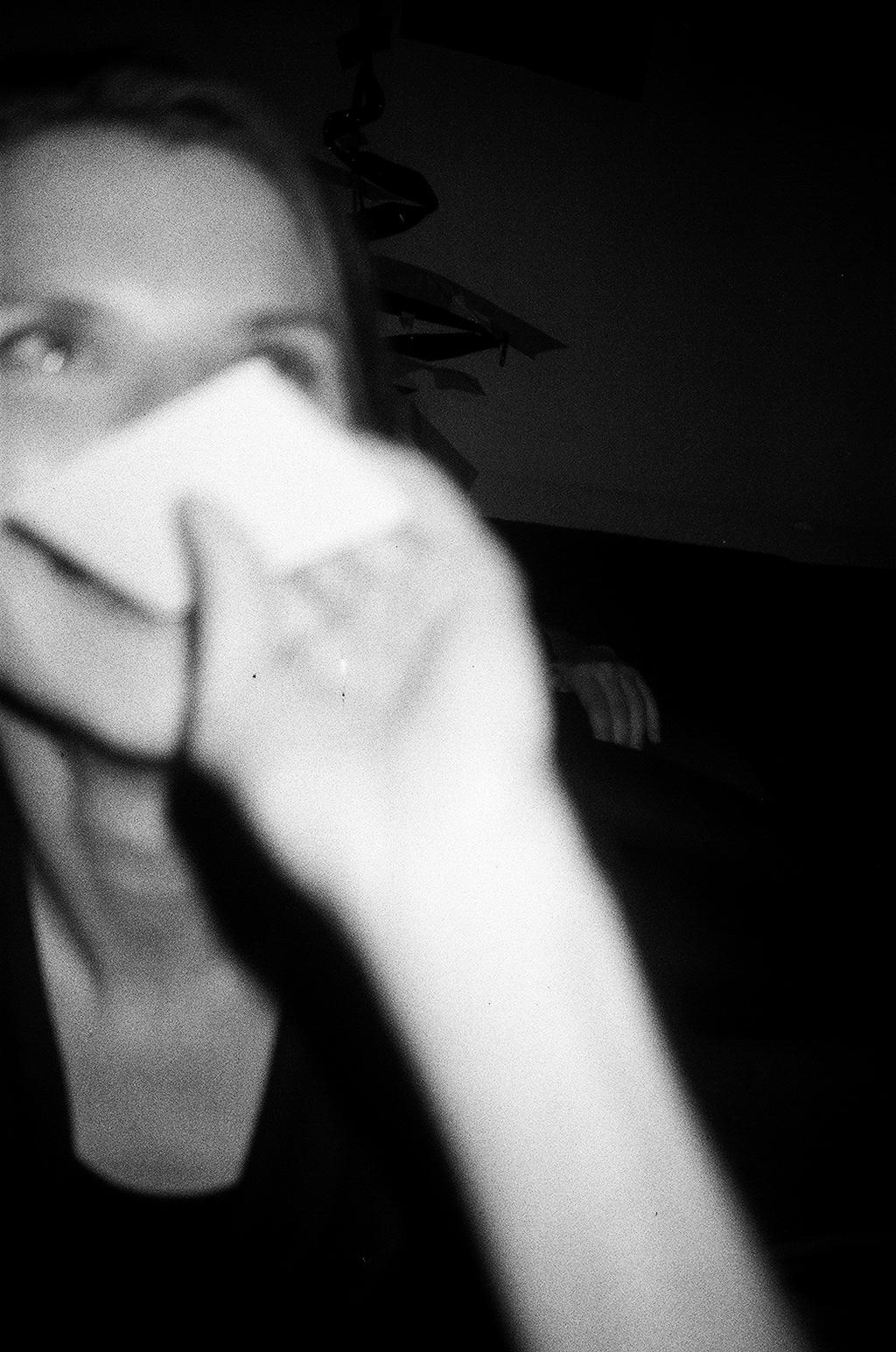
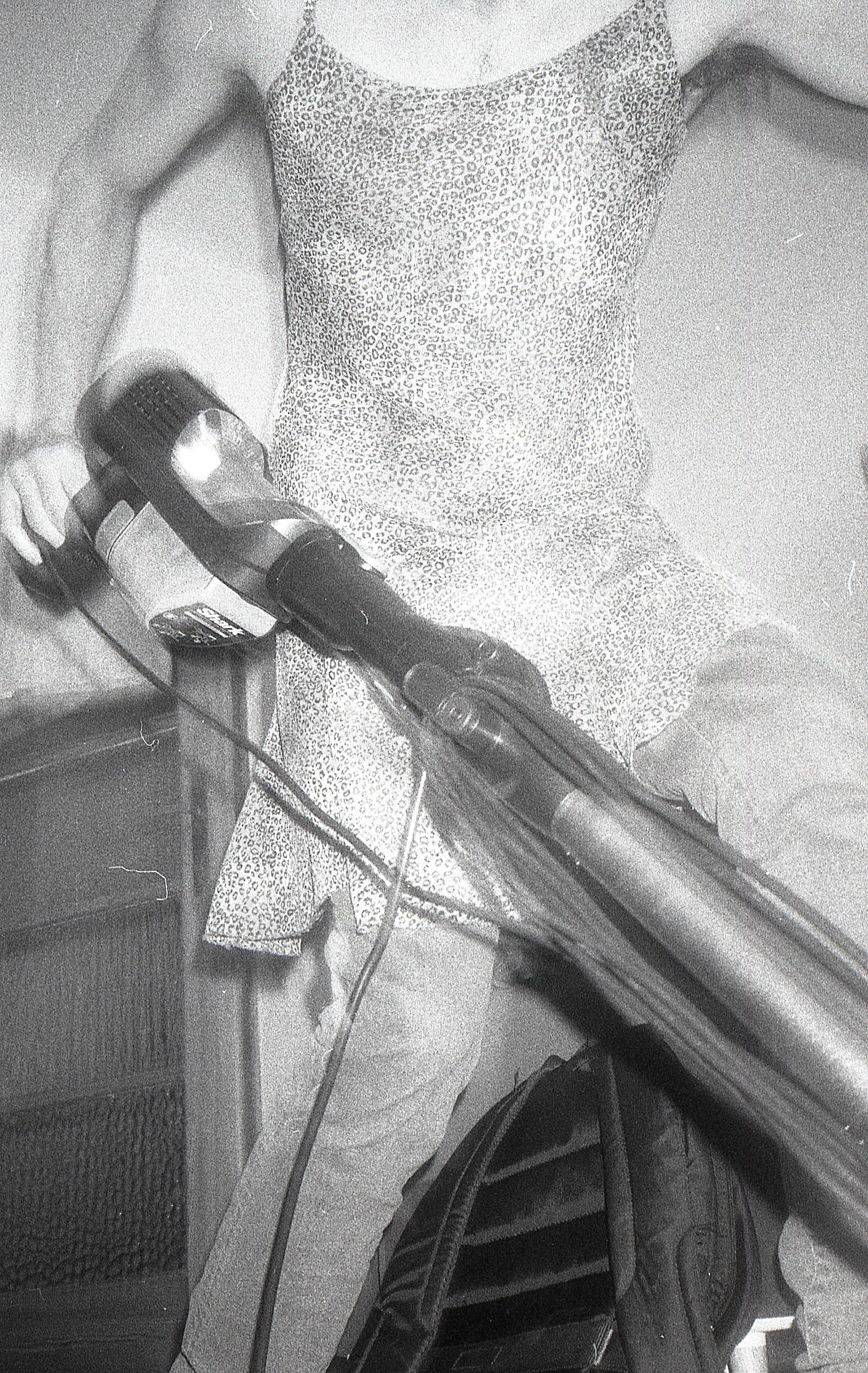
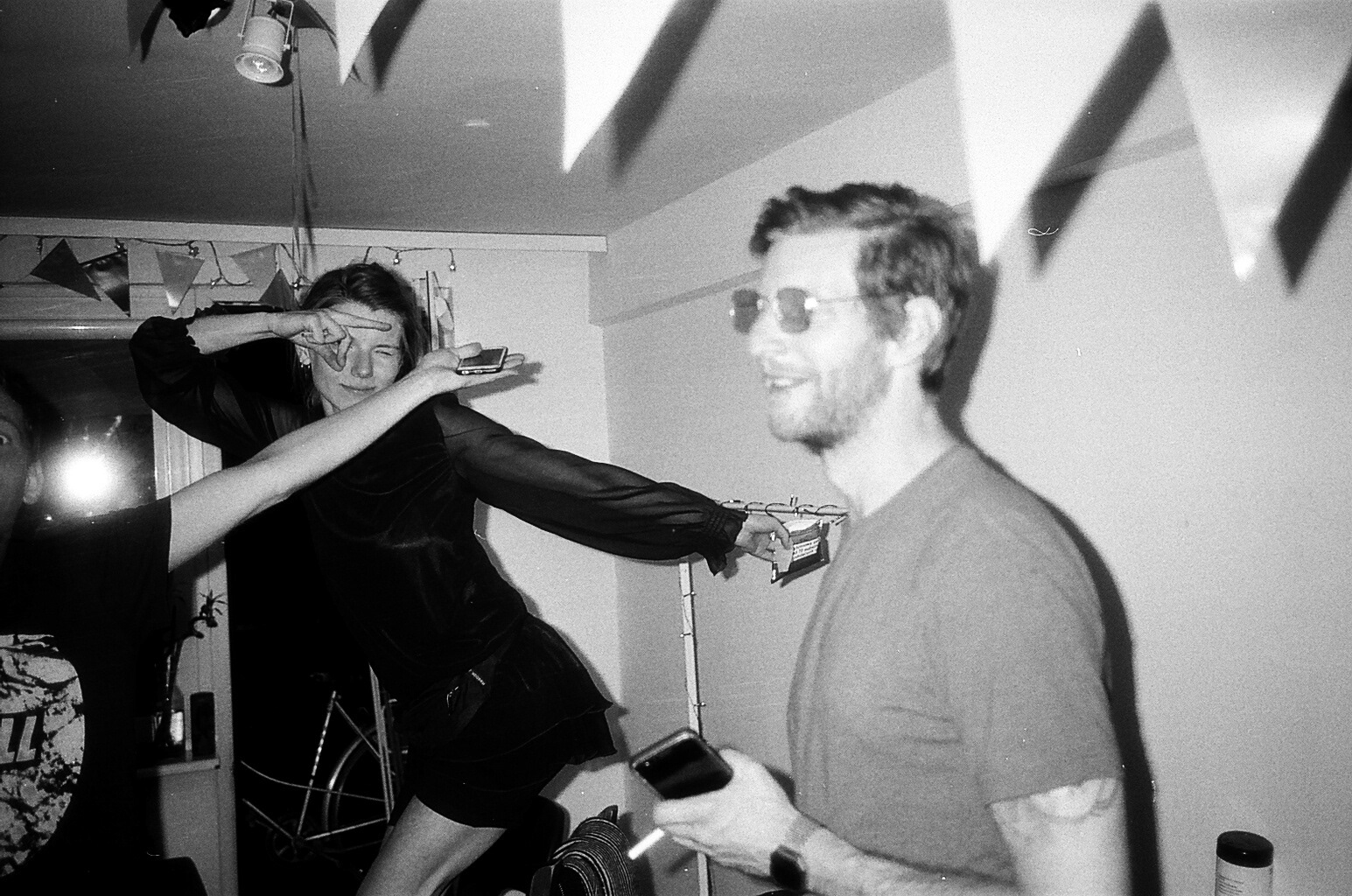
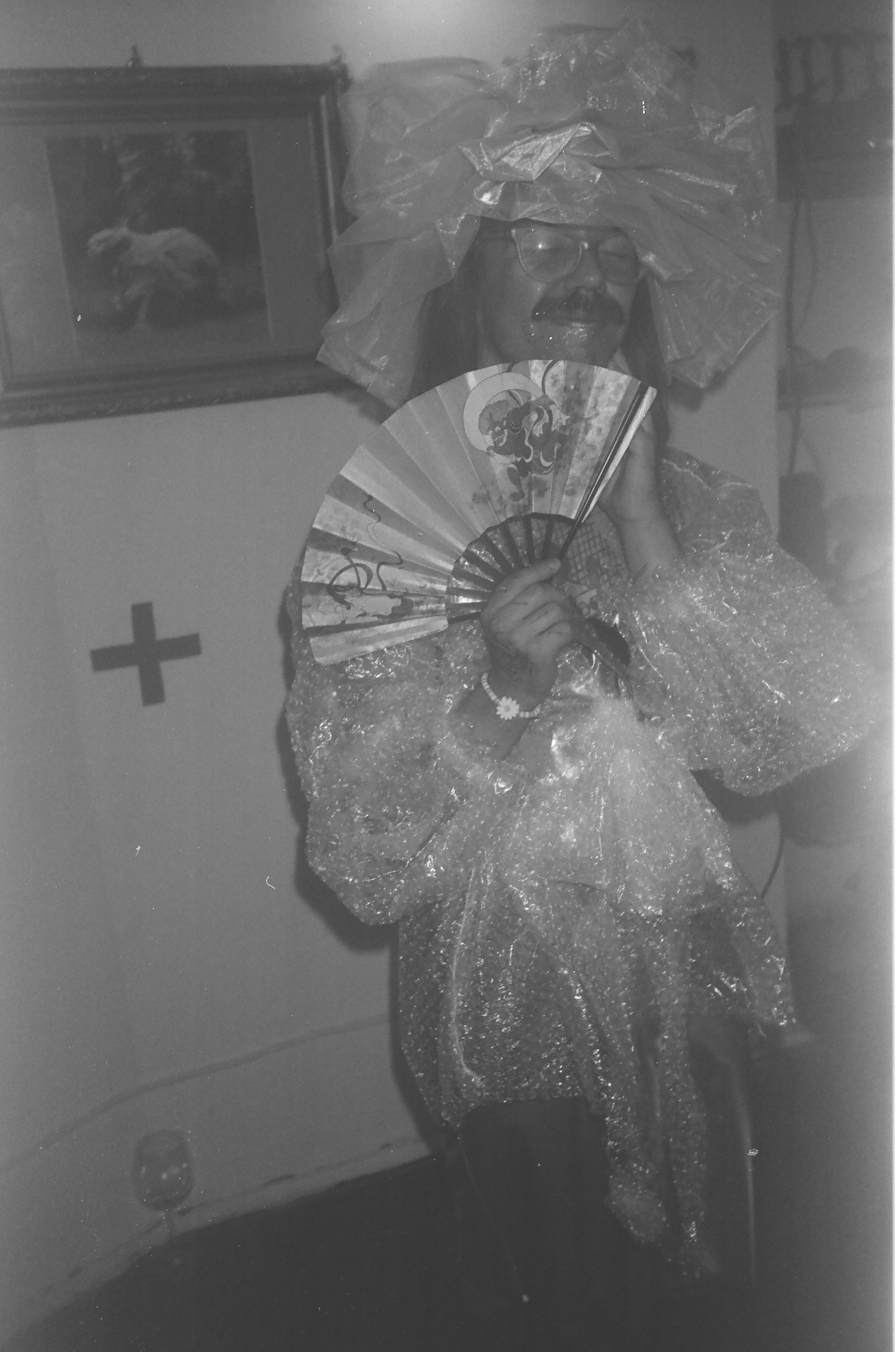
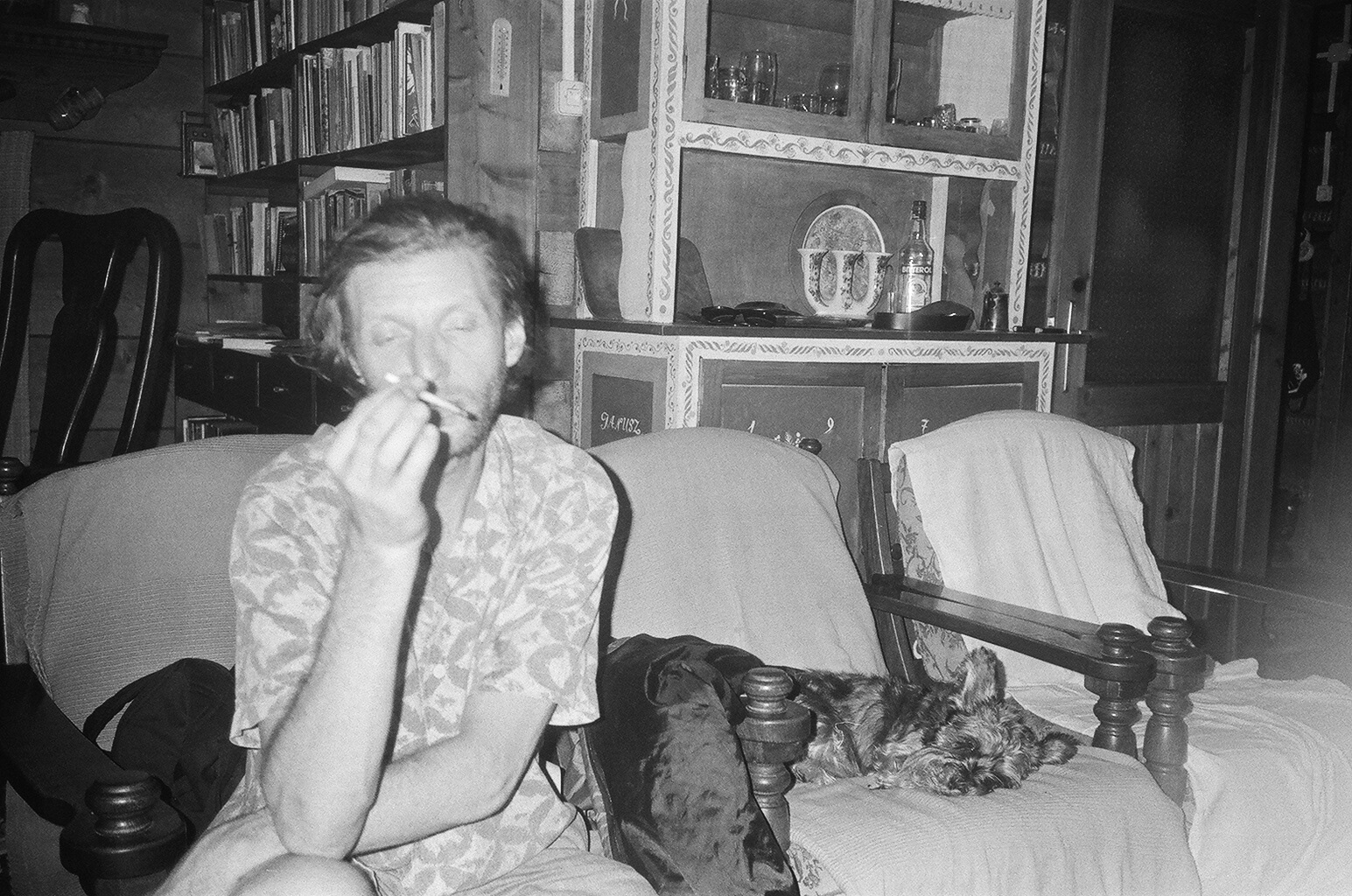
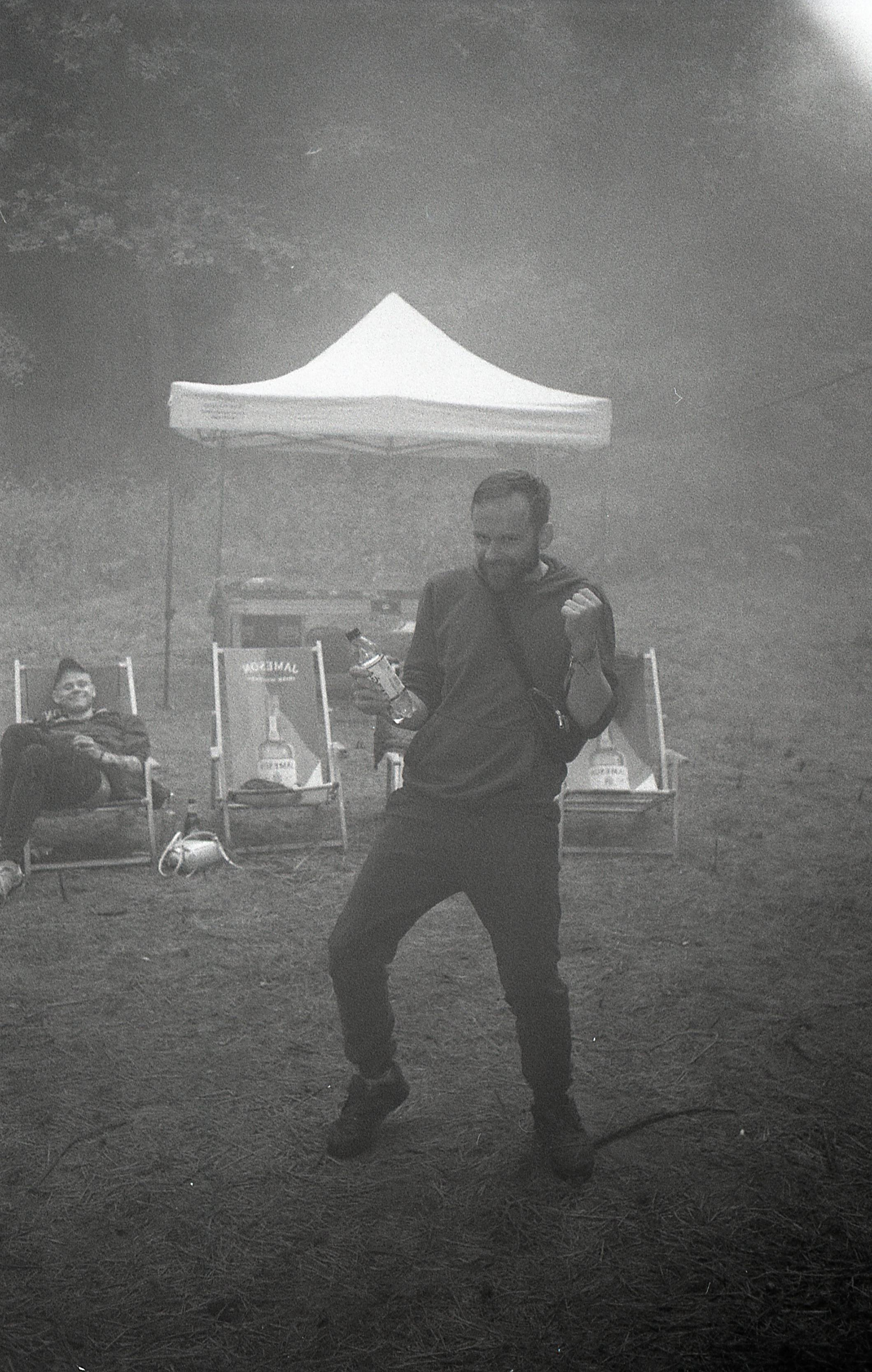
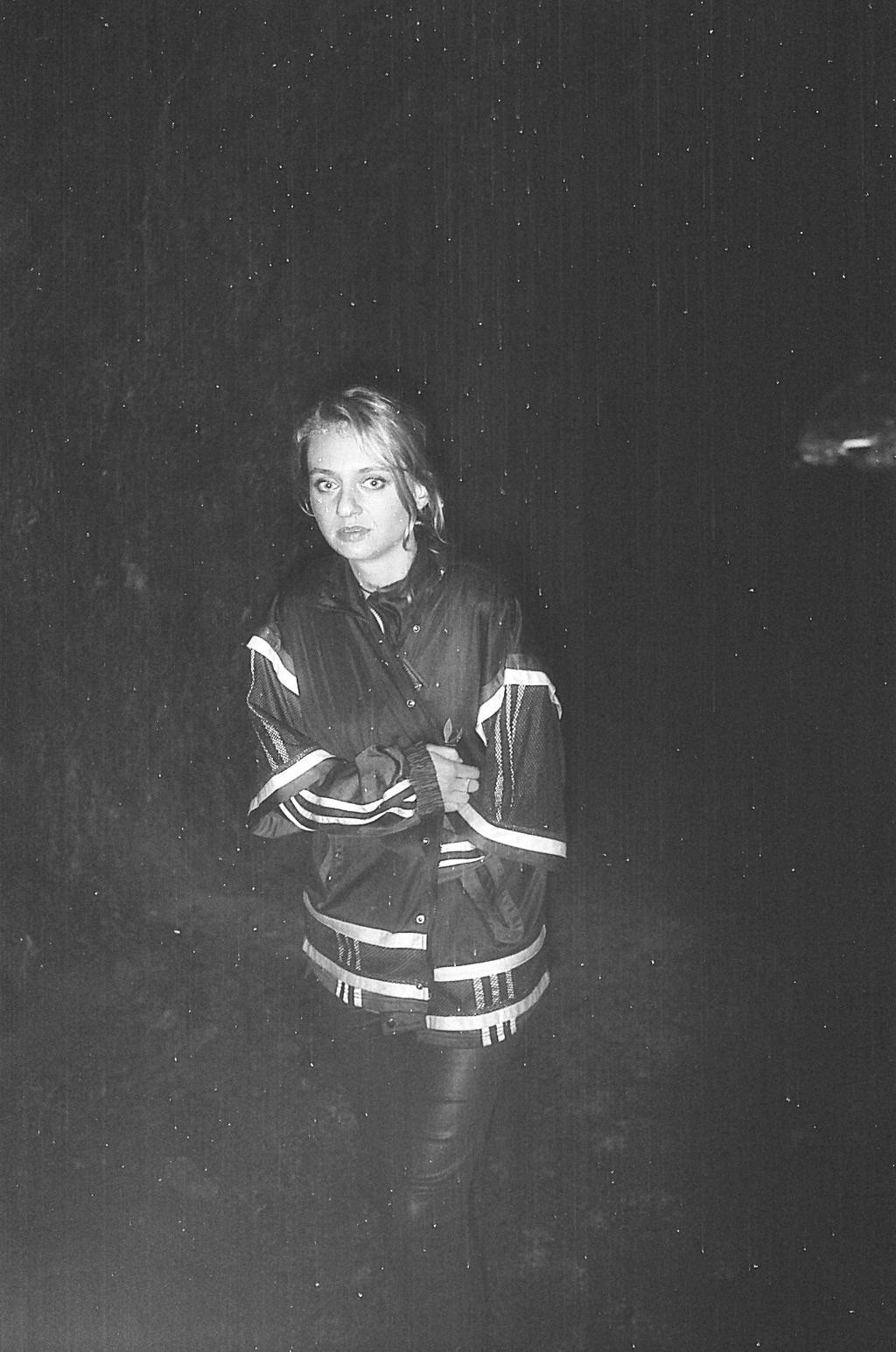
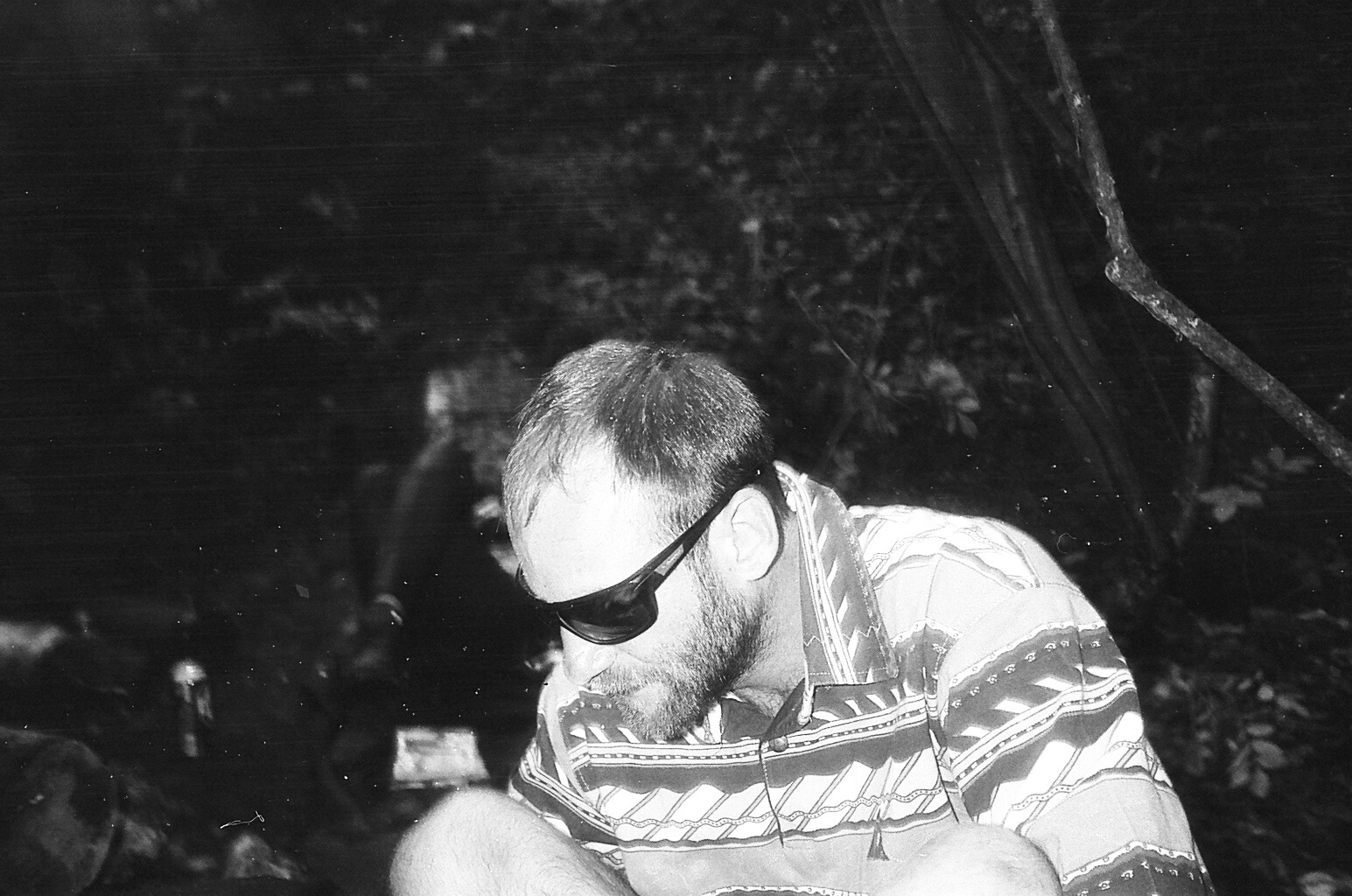
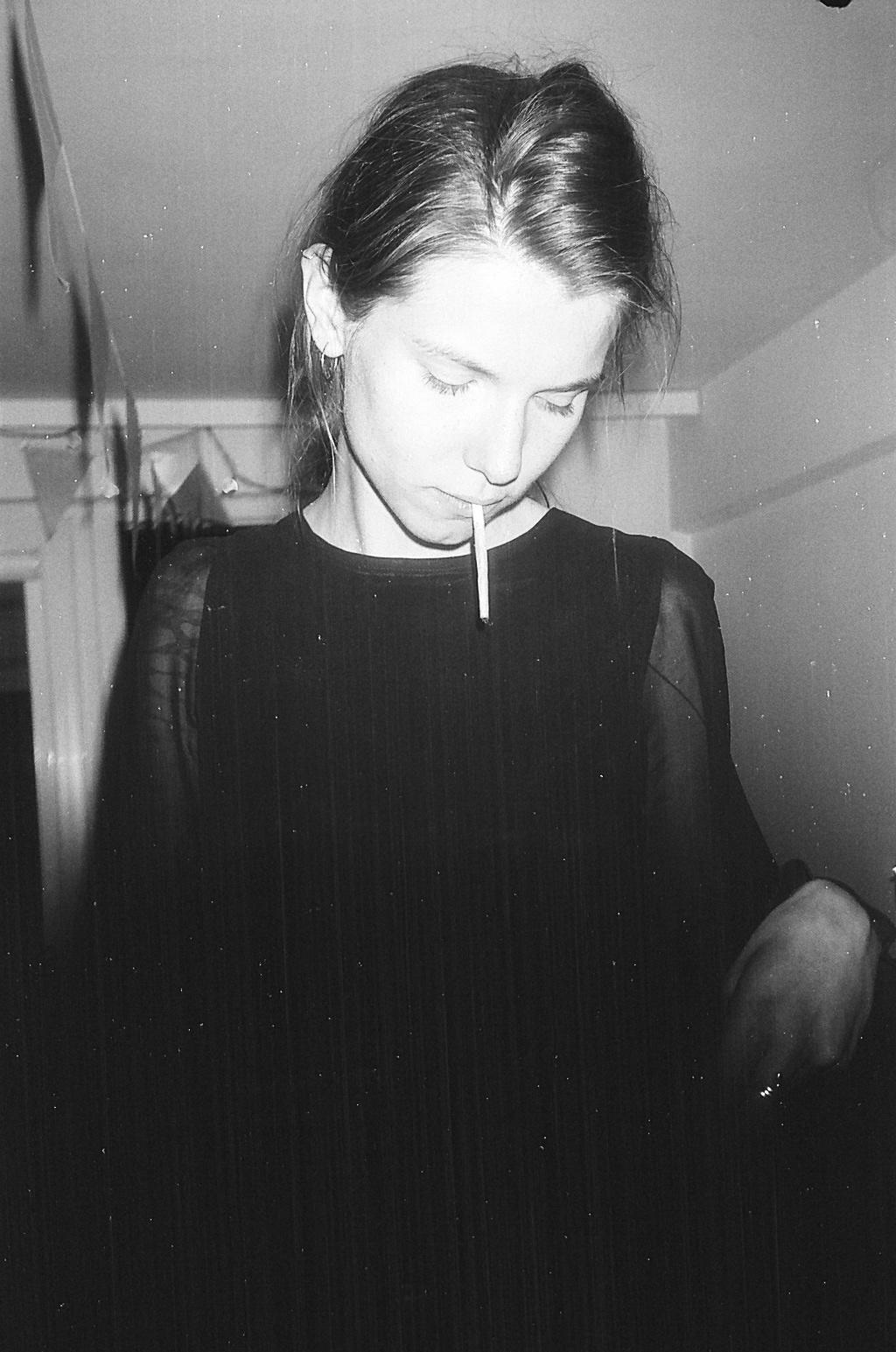
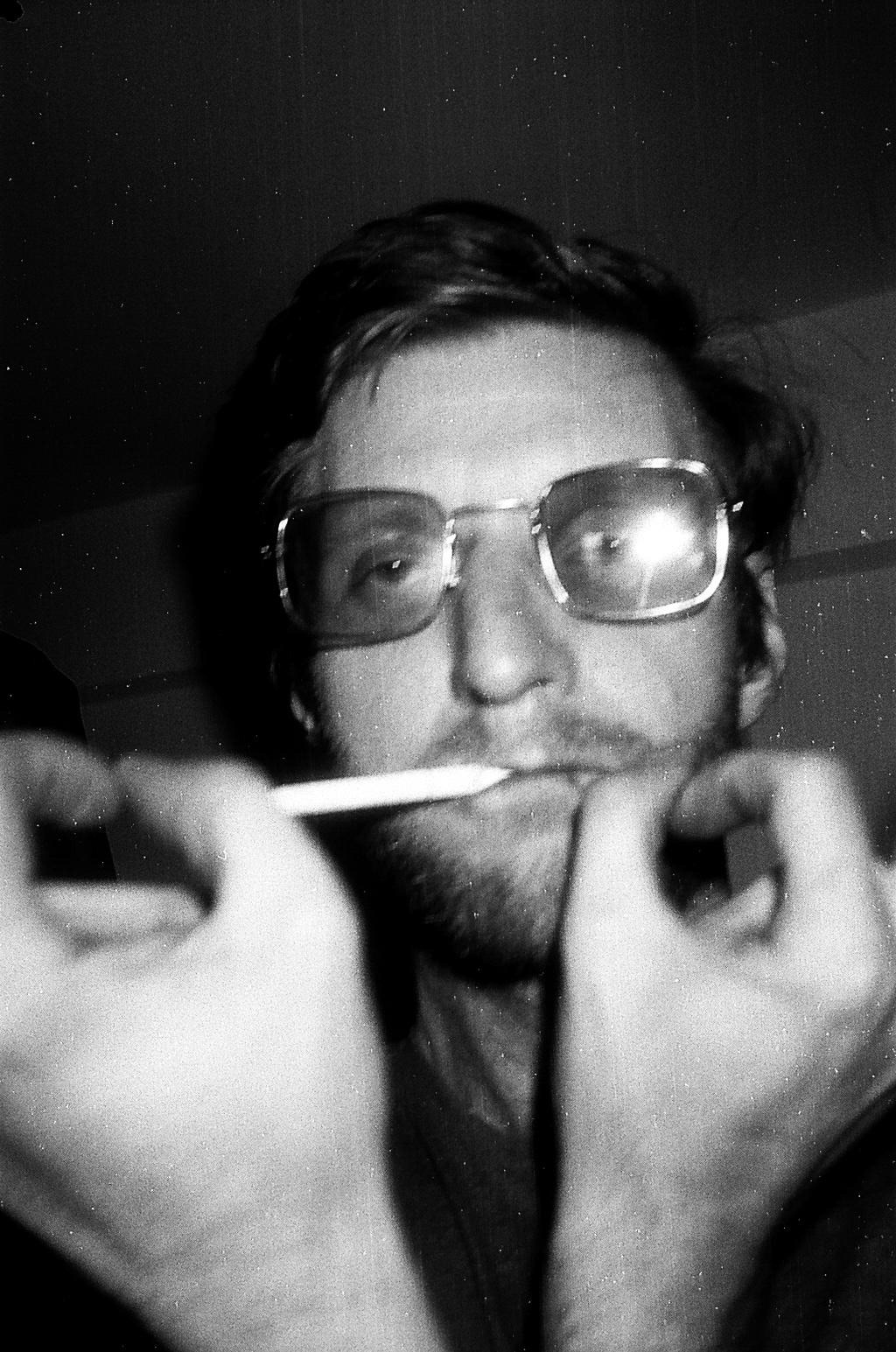
The idea of photographing afterparties and their attendees came from the simple fact that I was allowed to do it. Let’s not kid ourselves—afterparties aren’t exactly a picture of perfection. People haven’t slept in hours, they make silly faces, there’s white under their noses, the thirtieth hour is passing, and I’m nobody’s darling—these aren’t the moments when we look our best. And given the lack of understanding for chem culture, no one involved in an afterparty feels confident in front of a camera, if only because of the fear of being judged by their moms, grandmas, or employers. As a result, there’s usually an unspoken but strictly followed "no photo" policy.
Analog photography, however, gives a false sense that the photo won’t end up on Facebook, Instagram, or wherever else it might be uploaded these days. Of course, that’s not true—it can end up there. But not immediately, in a burst of social media impulsiveness. The time between taking the photo and developing and scanning it allows for careful consideration of the context and a genuine desire to share it. This ties into the core principle of afterparty photography, which is: I ask before I publish, and before I ask, I consider whether the person in the photo might feel uncomfortable with its existence. This is one of the reasons why the photos I take at parties and afterparties are shot on analog, black-and-white film. I have no intention of digitally erasing evidence of the revelry, nor do I plan to beautify or filter the photos I take. This honesty allows the people I spend afterparties with to let me photograph them. It’s gotten to the point where I no longer need to ask for permission, which I consider a great privilege. By respecting that privilege, I allow myself to take quick, candid shots. “Speed photography” is an anthropological approach to capturing moments by surprise, with the hope of preserving the scene as unchanged as possible. Sometimes I give a one-second warning before taking the photo, and sometimes I manage to click the shutter as I pull the camera out of my pocket, resulting in dozens of wasted or missed frames. But I believe the few successful shots make it all worthwhile.
I’m often asked: why do you shoot in black and white? The first reason is very pragmatic, perhaps even mundane. Stripping the color from the vibrant life of an afterparty-goer removes unnecessary emphasis on dark circles under the eyes, papery skin, and bloodshot eyes. It’s not about proving that people are addicts or pointing out their condition. Choosing black-and-white film simplifies the beautification process, but without me having to decide what to keep, what to erase, who to add or subtract three kilograms, or who to grant or rob of several hours of sleep. Additionally, I believe that the grayscale reflects the general view of afterparties, even if a particular photo was taken in a much more colorful moment. Symbolically, the lack of color resonates with the overall tone of the afterparty experience.
These photos are, above all, a chronicle of people—a keepsake of sleepless nights, extreme and strange emotions, funny situations, jokes, and deeply serious conversations. They are a memento of countless shared moments, a wealth of knowledge, hundreds of unique personalities, and millions of ideas. For these photos, the warmth of home, and everything that comes with them, I thank: the Betel crew, Prezesowa, Oparek, Szmal, Piksa, Monka, Malwina B., Gaba B., Agusia (a.k.a. Agatka), Oleczek, Soniuszko, Bienio, Babiczq, Kubss, Natalia J. aka Abigejl, the best of the best Ładna Kasia, the two Indyk siblings, Przykry, Sobór, Olej, Szopen, Janek Moss, Robert Skrzy., Marona, Święta Krowa, Zosia H., Gaja G., Nikolas, Sigma Pi, Marcin K., Maria Ł. from my hometown, Arek P., Marysia K., who named my cat Monia, Daria K., Zduńczyk, Karusia, the incredible Vicky De Visser, Spookie, Agatka PLK, Marta N., Sara and Damian, Karina, and even the whole KMWTW, A. Dec, Szczuka, Danek, the entire Piękny Pies crew, and many, many other amazing people I’ve had the pleasure of spending time with. Afterparties could be the subject of not just a multi-page dissertation but also extensive research from many angles. This text and photos merely scratches the surface of the topic.